SAO PAULO/MEXICO CITY, July 21 (Reuters) – Farmers across Latin America could face severe disruptions if the United States imposes secondary sanctions on buyers of Russian exports, particularly fertilizers crucial for crops ranging from Mexican avocados to Brazilian soybeans and corn.
Brazil’s Heavy Reliance on Russian Fertilizer
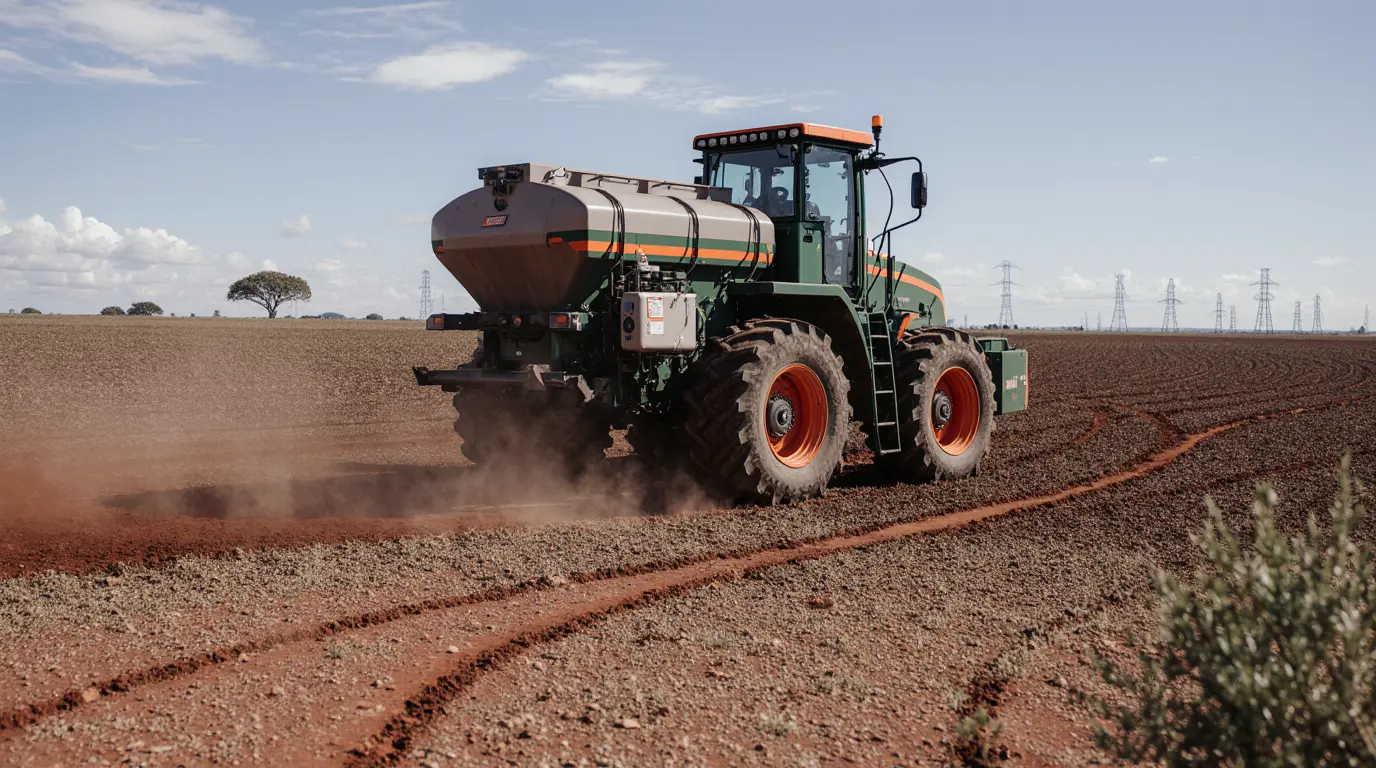
Brazil, a global agricultural powerhouse, sourced roughly one‑third of its fertilizer needs from Russia last year, amounting to about $3.7 billion in imports. Specialists and industry insiders warn there are almost no substitute suppliers able to quickly fill the gap if Russian shipments are cut off.
Following the 2022 war in Ukraine, Latin American countries stockpiled Russian fertilizer, briefly driving prices up, but trade has since stabilized. Efforts to expand domestic fertilizer production in both Brazil and Mexico have advanced slowly, hampered by the continued appeal of relatively inexpensive Russian products.
According to the Russian Fertilizer Producers Association, Brazil—already the world’s largest producer of soybeans, sugar and coffee—imported nearly 30% more Russian fertilizer in the first half of this year compared to last year.
NATO Warnings and Risk to Production
NATO Secretary General Mark Rutte highlighted Brazil as one of several nations that could be hit “very hard” by sanctions over business ties with Russia, part of U.S. President Donald Trump’s renewed push to halt the war in Ukraine.
Fresh penalties aimed at Russian fertilizer flows could, in the words of Lucas Beber, vice president of Brazilian grain group Aprosoja, “make soybean and corn production unviable.”
Mexico Faces Similar Vulnerabilities
Mexico also relies heavily on Russian fertilizer, importing more than $580 million worth last year, government data shows. Potential U.S. restrictions would be especially damaging for purchases of urea, the most widely used fertilizer for corn, sorghum, wheat, and even avocado crops.
Raul Urteaga, former international affairs director at Mexico’s agriculture ministry, warned that losing Russian supplies would reduce fertilizer quality and drive up costs. This would likely dent avocado output and push prices higher for U.S. consumers, who purchase over 80% of Mexico’s avocado exports—a trade worth over $3 billion last year.
Colombia and Regional Ripple Effects
Russia is also Colombia’s top fertilizer supplier, accounting for roughly 25% of imports. Colombia is a key exporter of fruit, flowers and coffee to the U.S. The World Bank has previously flagged fertilizer prices as a significant factor in Central American food inflation, which has contributed to a cost‑of‑living crisis and fueled migration northward.
Industry Disruptions and Delays
Even companies that have stopped sourcing from Russia remain concerned. U.S.-based Mosaic, which derives 40% of its revenue from Brazil, said ongoing geopolitical risks could heighten market volatility.
Eduardo Monteiro, Mosaic’s country manager in Brazil, noted that uncertainty over potential retaliation against Russia‑linked trade partners is already delaying sales to Brazilian farmers for the next planting season, threatening timely deliveries for vital crops like soybeans.
Major private fertilizer suppliers Eurochem and Fertipar, which according to trade records import Russian inputs for Brazilian processing plants, declined or did not respond to questions about the impact of possible sanctions.
Local Production Plans Struggle
Brazil has announced goals to cut its dependency on foreign fertilizers nearly in half, while Mexico hopes to raise domestic production from covering 33% of demand to 80%. Leaders Luiz Inacio Lula da Silva and Claudia Sheinbaum have urged state‑run energy firms Petrobras and Pemex to step up fertilizer output.
Progress has been slow. Brazil’s ambitions are constrained by funding gaps, costly raw materials and high natural gas prices needed for nitrogen fertilizer production. Brazil Potash Corp’s planned mining operations in the Amazon could help once infrastructure and permits are finalized.
Mexico’s Pemex, weighed down by debt, has yet to turn fertilizer production into a profitable endeavor.
Russia Eyes Bigger Market Share
Despite Western restrictions, Russian producers plan to expand their global market share to 25% by 2030, counting on sales to developing BRICS members such as Brazil, India and China.
Reporting by Ana Mano in Sao Paulo and Cassandra Garrison in Mexico City; additional reporting by Carlos Vargas in Bogota and Leila Miller in Buenos Aires; editing by Brad Haynes and David Gregorio
No comment